Why muscle matters more every decade
Muscle does a lot more than move you. It holds your joints in place, protects your back, helps control blood sugar and makes everyday jobs easy: carrying groceries, climbing stairs, getting up off the floor, lifting a grandchild.
Without training, most adults gradually lose muscle mass and strength from their 30s onward. Estimates vary, but a loss of a few percent per decade is typical, and it accelerates in your 60s and 70s. Strength drops even faster than size. The good news: muscle responds to training at every age.
What strength training does for you
- Keeps you strong for daily life. Stronger legs and hips make stairs, hills and getting up from a chair easier.
- Protects your bones. Muscles pulling on bone is one of the main signals that keeps bone strong. In the LIFTMOR trial, postmenopausal women with low bone mass who did supervised resistance training twice a week improved bone density at the spine and hip.
- Improves balance. Strong ankles, hips and core help you recover when you trip, which matters more with each decade.
- Supports your back and joints. Strong muscles around the spine, hips and knees take load off the joints.
- Is linked to a longer, healthier life. A 2022 review of 16 studies in the British Journal of Sports Medicine found muscle-strengthening activity was associated with a 10 to 17% lower risk of early death, heart disease, cancer and diabetes, with the biggest benefit when combined with aerobic exercise.
How much do you need?
Canada's 24-Hour Movement Guidelines recommend muscle-strengthening activities using the major muscle groups at least twice a week, alongside 150 minutes of moderate to vigorous activity like brisk walking or cycling. Adults 65 and older are also encouraged to add activities that challenge balance.
| A simple week | |
|---|---|
| Strength | 2 or 3 strength-focused classes, like Tone & Sculpt, Pilates with Weights or reformer |
| Movement | Walking, cycling or swimming most days |
| Mobility | A yoga or stretch class, like Slow Flow Stretch, to stay supple |
Where Pilates fits
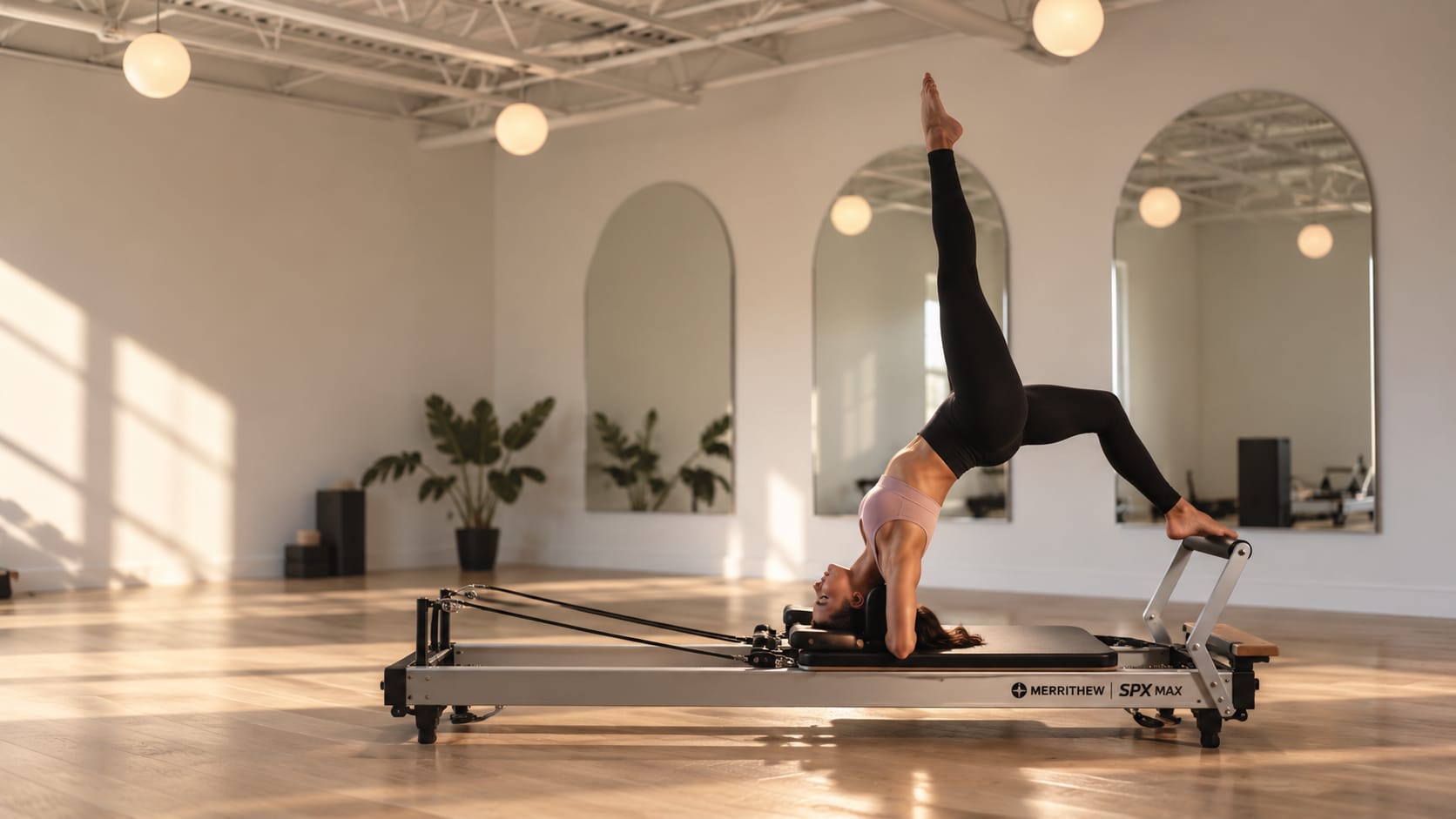
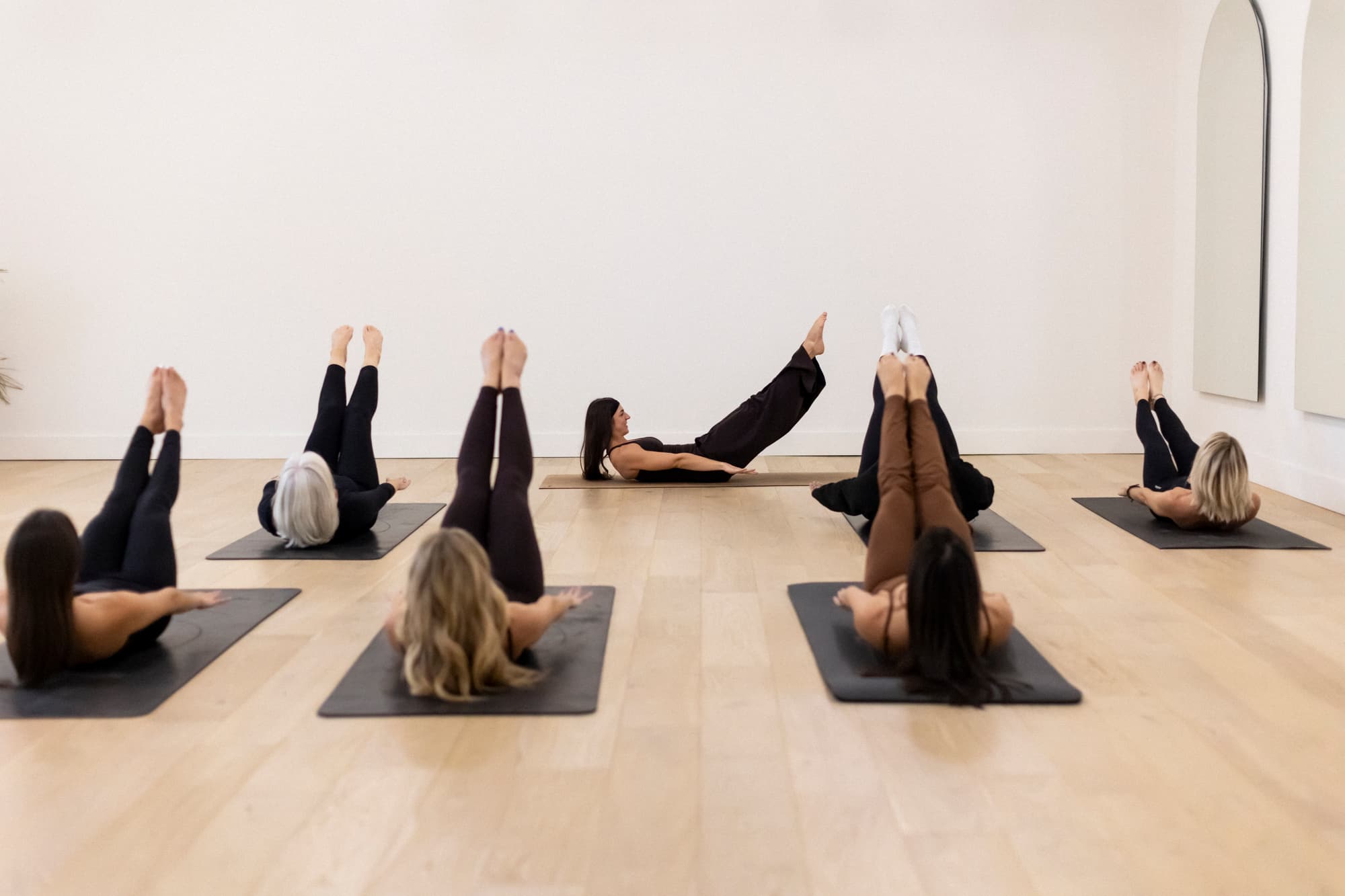
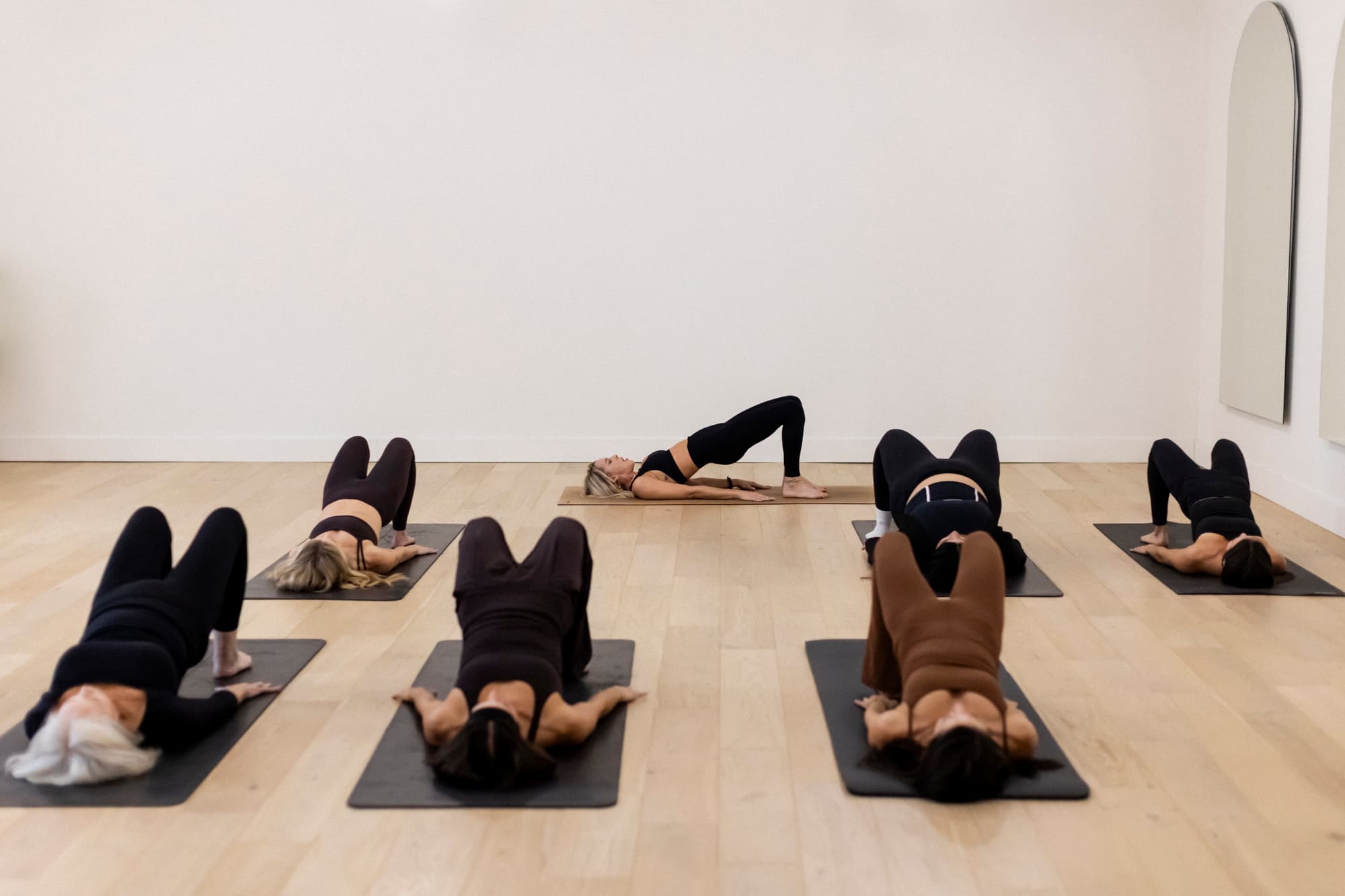
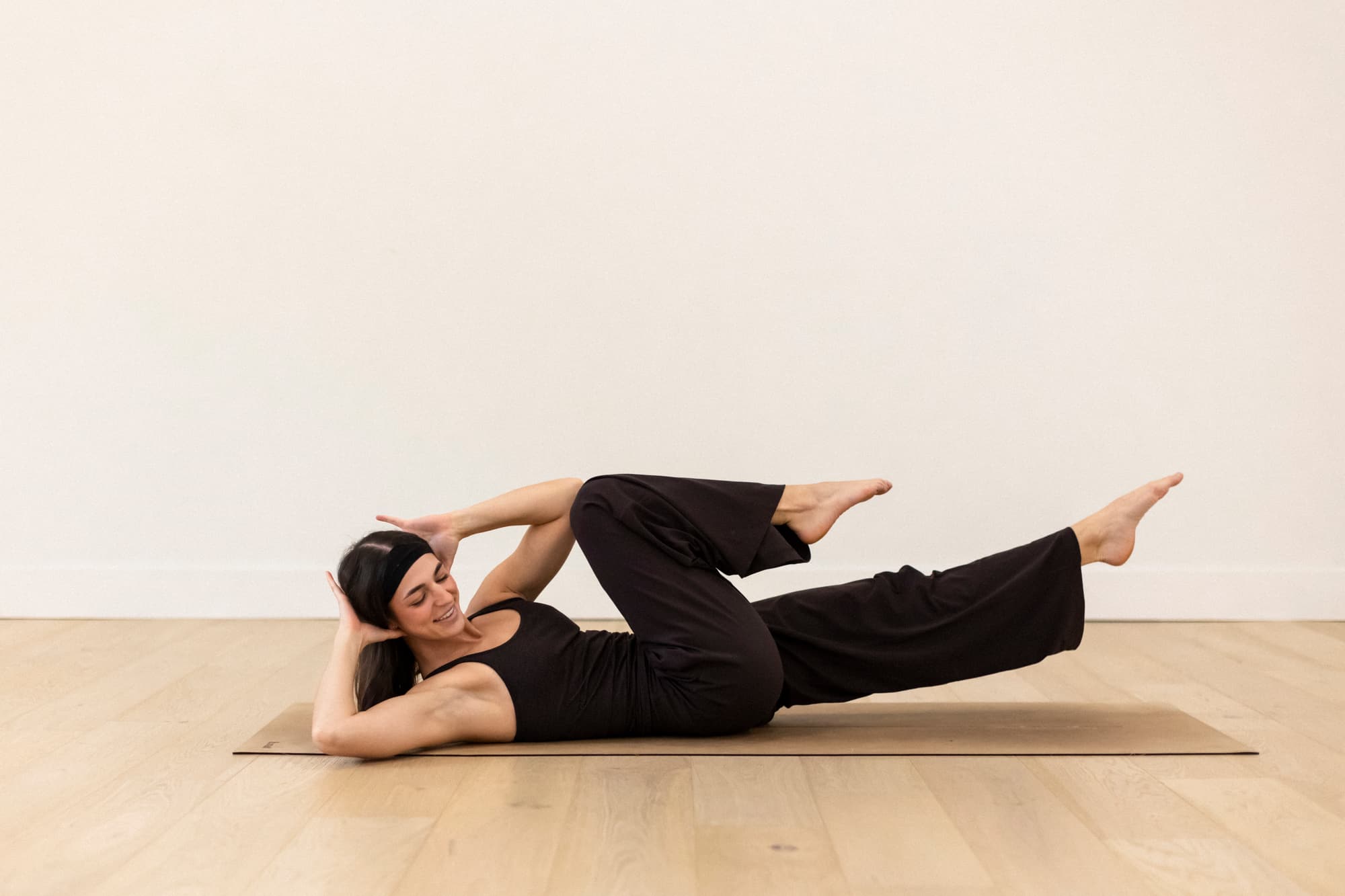
Pilates is strength training. Every exercise asks your muscles to work against resistance, whether that's your own bodyweight on the mat, springs on the reformer or hand weights. It's especially good at building the deep core and hip strength that protects your back and improves balance.
To get the most from strength work for muscle and bone, the load needs to build over time. That's why we pair Pilates with classes that add more resistance. Read more in is Pilates strength training?
How to start safely
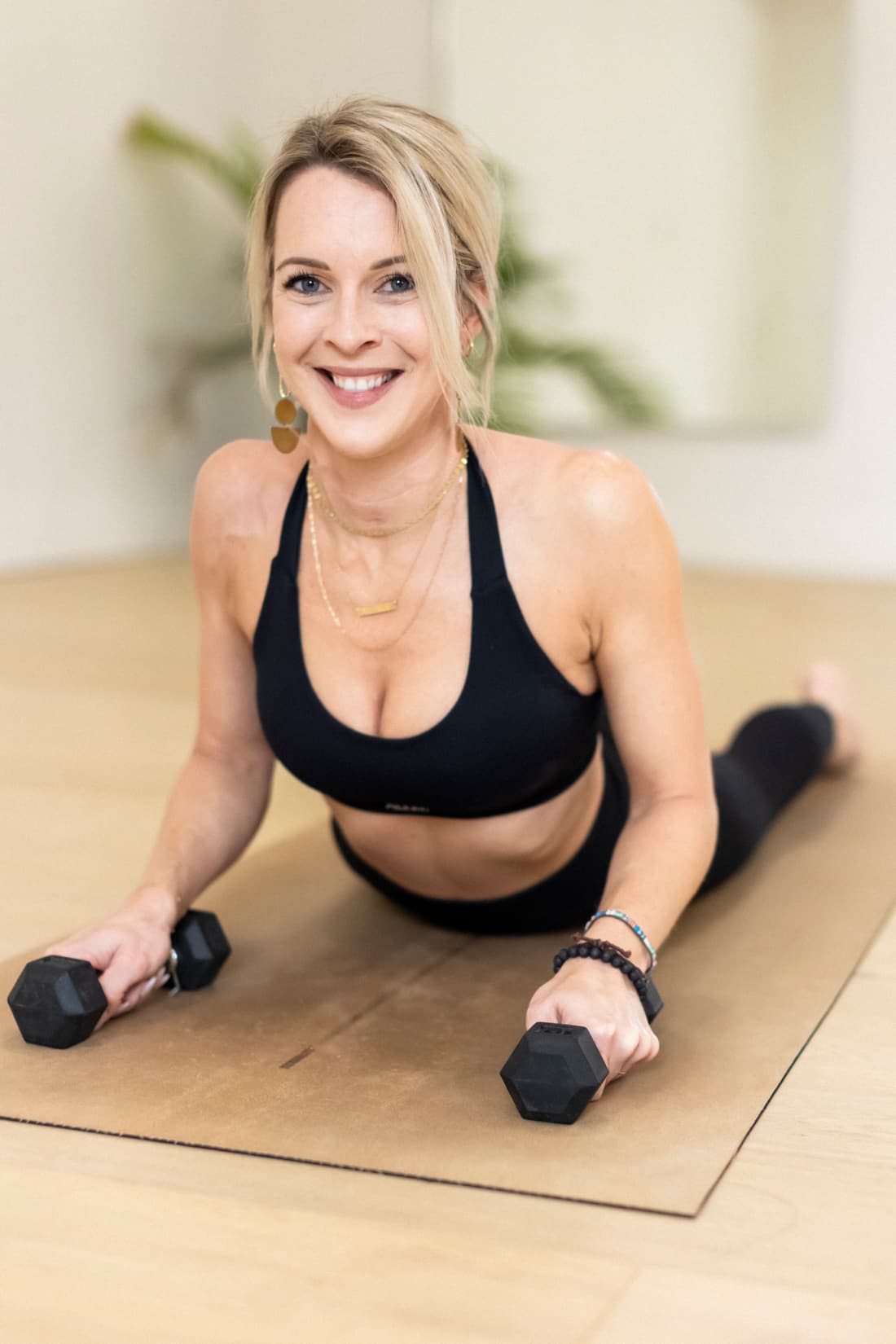
- Start lighter than you think. Learn the movement with little or no weight, then add load.
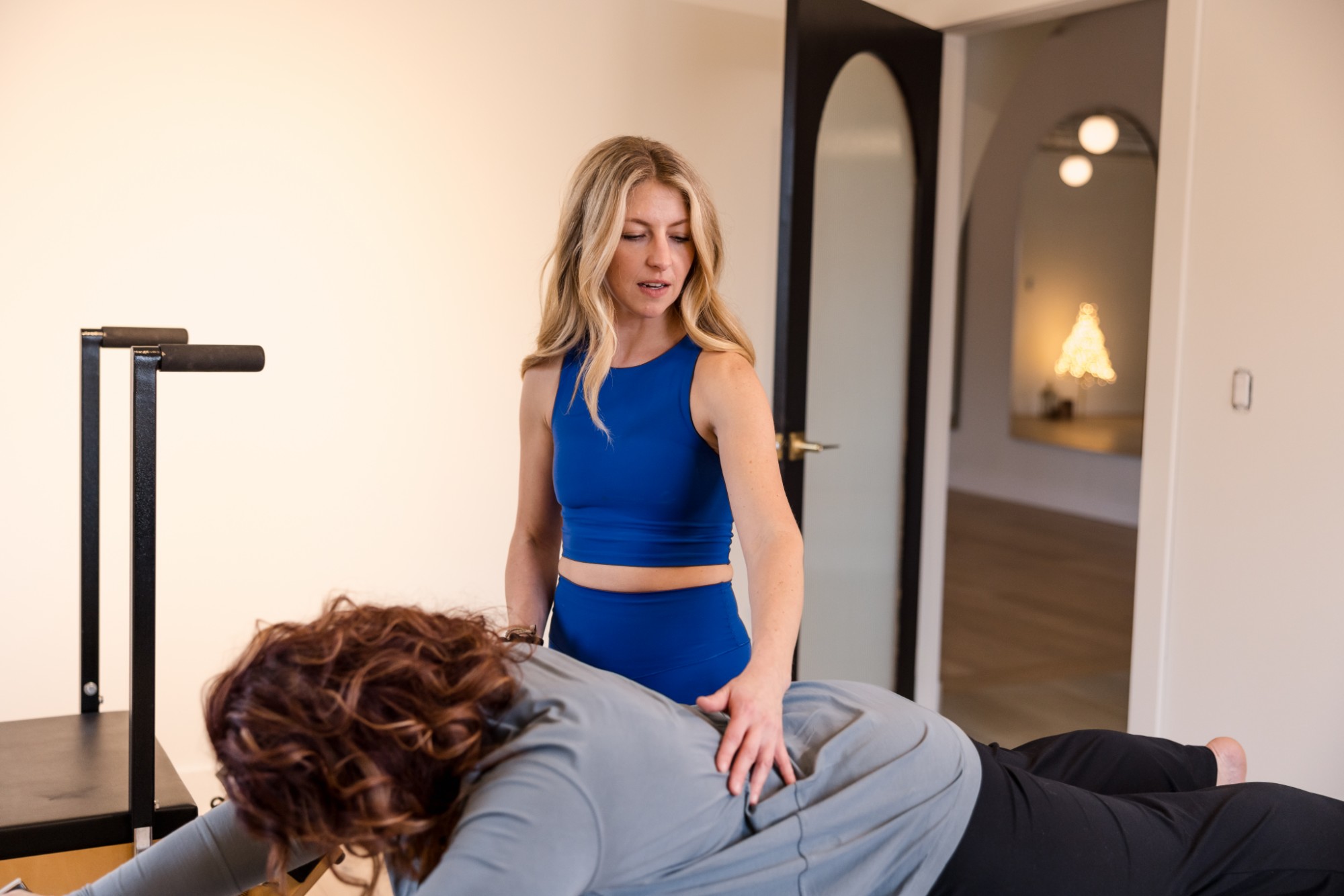
- Prioritise form. Controlled, full-range reps beat heavy, rushed ones. A small class means an instructor can actually watch you.
- Be consistent. Twice a week, every week, does more than an occasional hard session.
- Progress gradually. When an exercise feels easy for all your reps, add weight, a spring or a harder variation.
- Check in if you have a condition. If you have osteoporosis, a recent injury or a heart condition, ask your doctor or physiotherapist what's right for you, and tell your instructor before class.
Strength classes at Refine
Refine Pilates & Yoga is at 1534 Niagara Stone Rd in Niagara-on-the-Lake. For strength, try Tone & Sculpt (core, glutes, arms and legs with bodyweight and light weights), Pilates with Weights, or small-group reformer Pilates with spring resistance, and keep an eye on the schedule for our new strength classes. New to the studio? Start here.