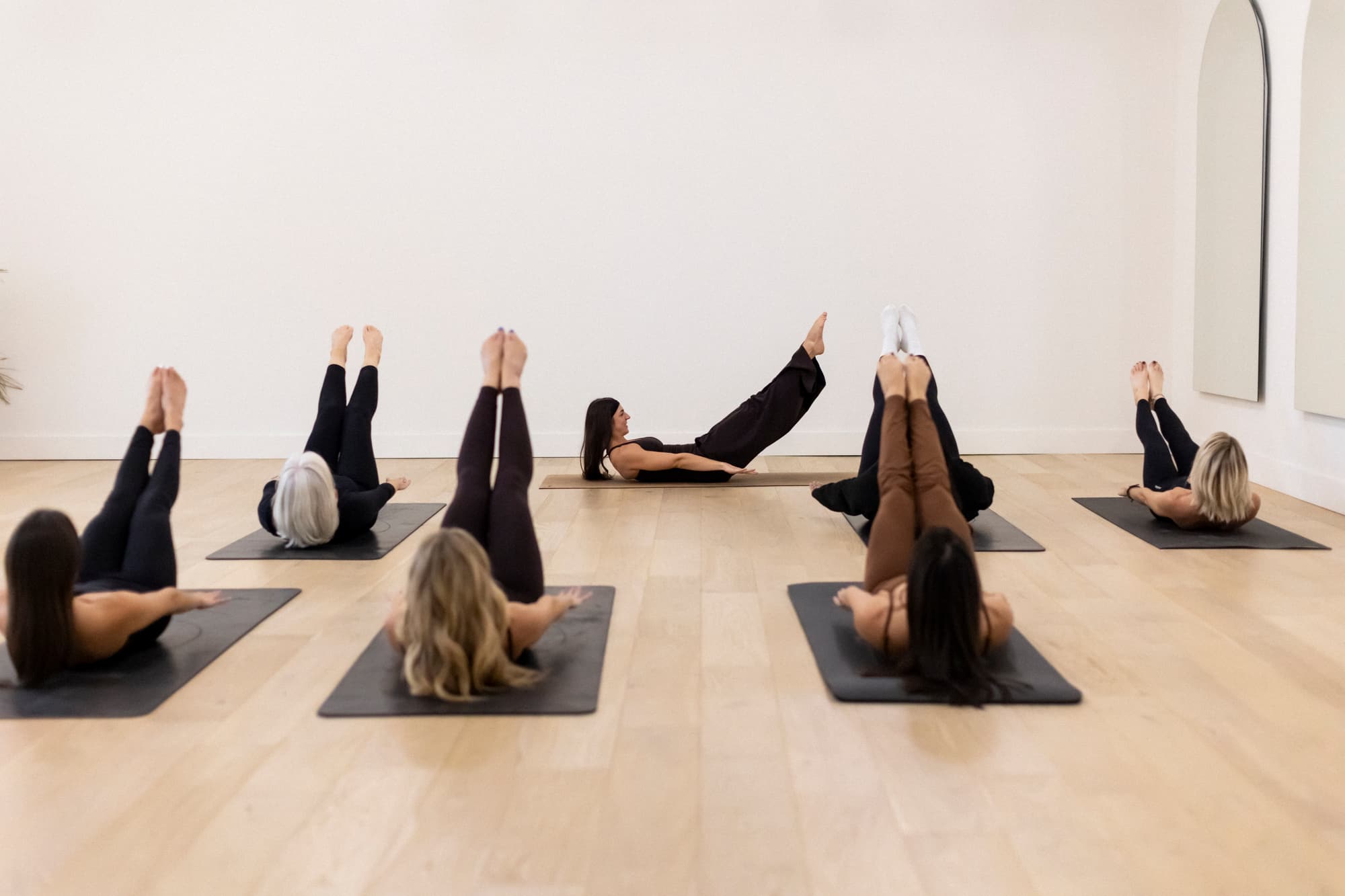
What counts as strength training?
Strength (or resistance) training is any exercise where your muscles work against a load that challenges them, and where that load increases as you get stronger. The load can be a barbell, a band, a spring or your own body. What matters is that it's hard enough to be challenging for the reps you do, and that it progresses.
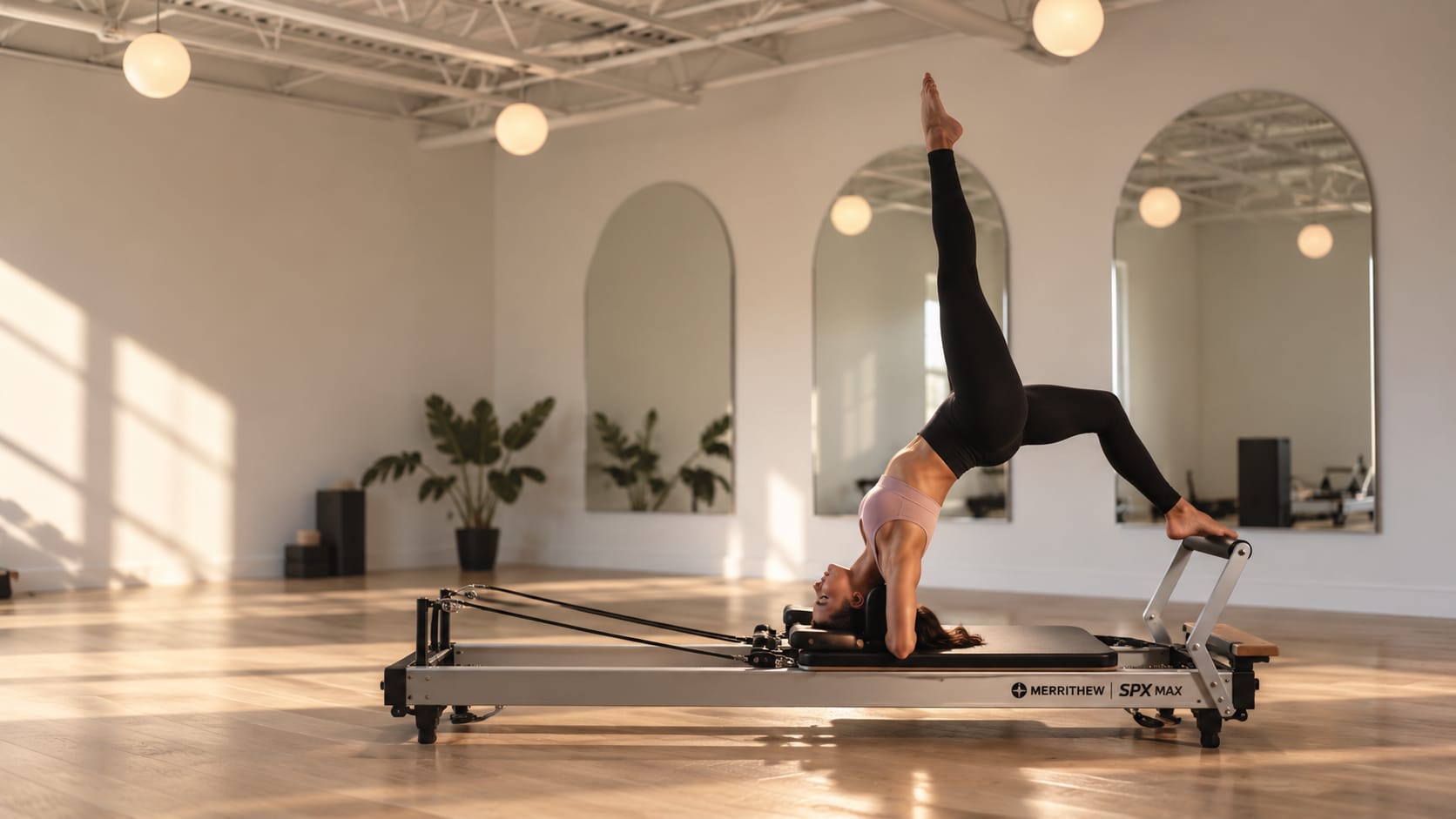
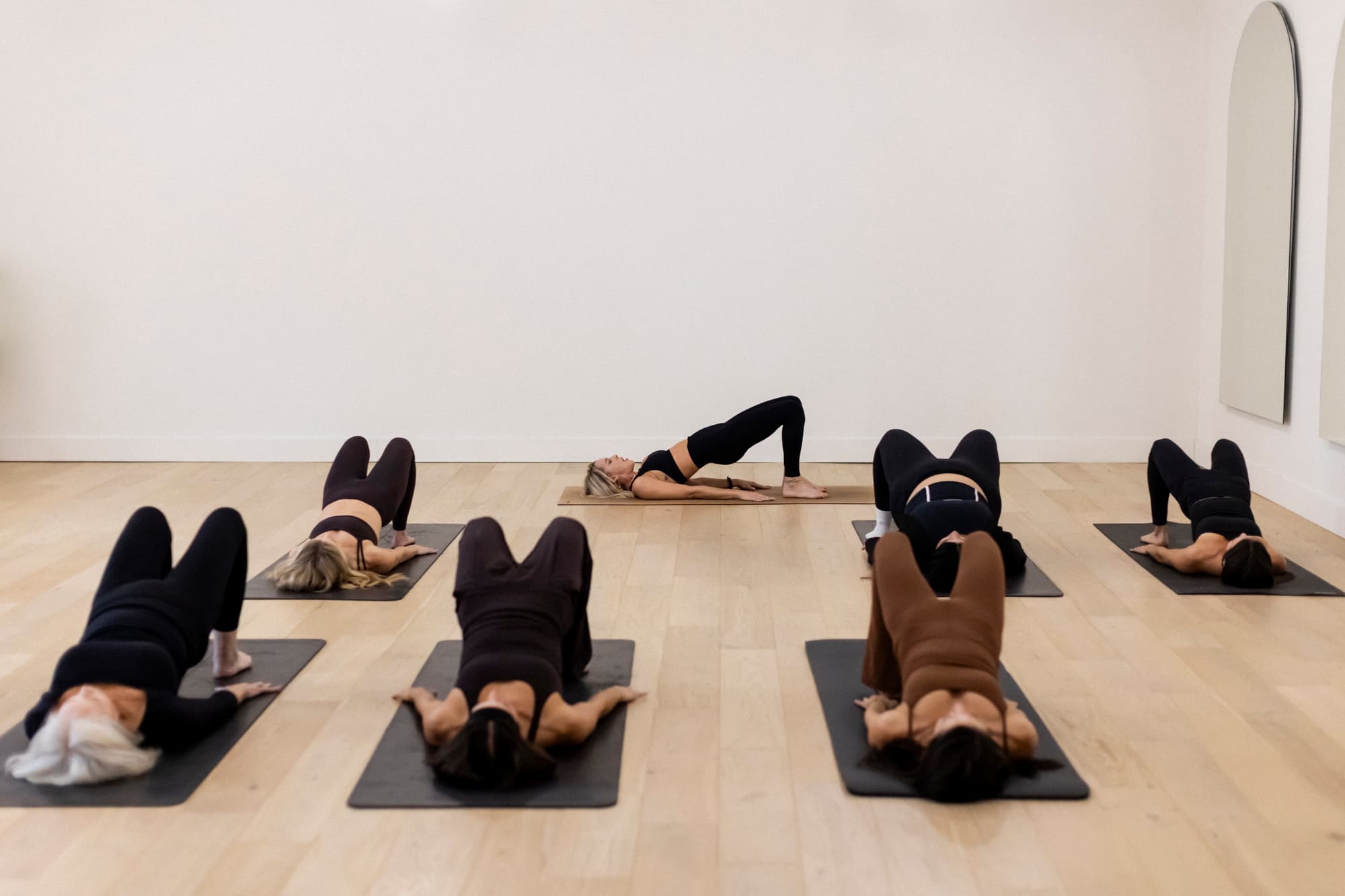
By that definition, Pilates qualifies. A plank, a single-leg bridge or a footwork series on heavy springs all ask your muscles to work hard under control.
What Pilates is great at
- Core strength. Every Pilates exercise starts from a stable centre, training the deep abdominals, back muscles and pelvic floor that support your spine.
- Muscular endurance. Slow, controlled reps with time under tension build muscles that keep working longer.
- Balance and stability. Reviews of trials in older adults, like this 2023 meta-analysis, find Pilates improves balance.
- Posture and alignment. Strengthening the muscles that hold you upright, with a strong focus on form.
- Joint-friendly loading. Low impact and easy to adjust, so it works around sore knees, hips or backs.
What the research says about strength
A 2022 systematic review of randomized trials compared Pilates with other types of exercise in healthy adults and found similar gains in strength. The studies were small, so the certainty is low, but the direction is clear: Pilates makes people stronger, about as much as other common exercise programs.
Where Pilates gives less is maximum strength, muscle size and bone loading, which respond best to progressively heavier weights. That's not a weakness of Pilates; it's a reason to pair it with heavier work.
Mat, reformer and weights: how each adds resistance
| Resistance | Best for | |
|---|---|---|
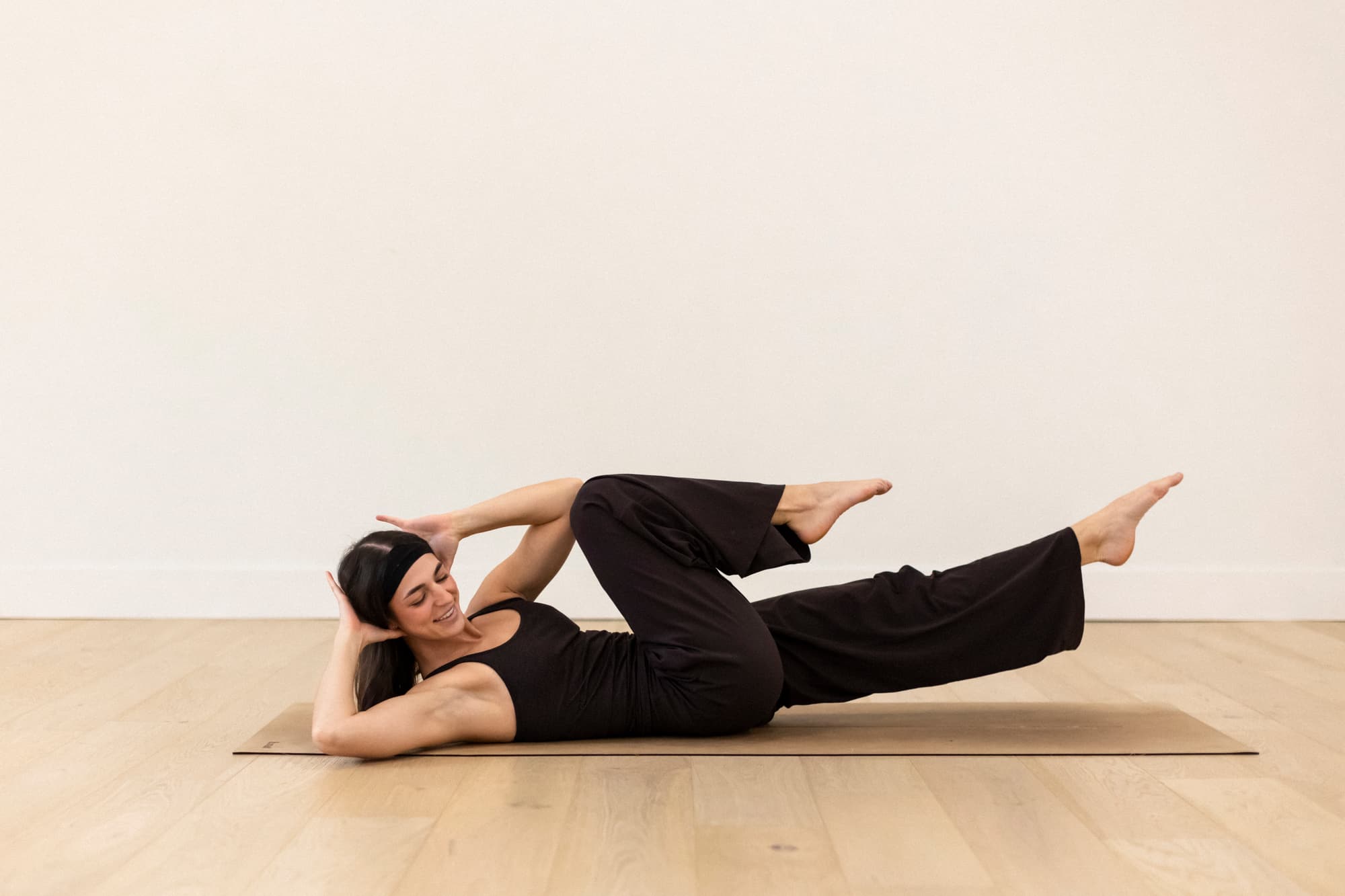
| Mat Pilates | Your bodyweight and leverage | Core control, endurance, learning the basics |
| Reformer | Adjustable springs, light to heavy | Progressive strength with support, legs and hips |
| Pilates with Weights | Light to moderate hand weights | Arms, shoulders and upper back |
| Tone & Sculpt | Bodyweight plus light weights | Full-body strength: core, glutes, arms and legs |

How to make Pilates more of a strength workout
- Add load. Pick heavier springs on the reformer or slightly heavier hand weights when your reps feel easy.
- Slow down. Lowering slowly under control adds time under tension.
- Go to full range. Move through the whole range you can control.
- Train both sides and all directions. Push, pull, squat, hinge, rotate and resist rotation.
- Mix in heavier strength classes. One or two a week alongside Pilates covers muscle and bone as well.
A balanced strength week
For most people, two or three strength-focused sessions a week is plenty. For example: one reformer class, one Tone & Sculpt or Pilates with Weights, and one of Refine's new strength classes as they come to the schedule, plus walking and a stretch or yin yoga class to recover. Read why strength training matters after 40 for the bigger picture.